
The Problems Roof Coating Systems Have (And How to Avoid Them)
Quick Answer: the problems roof coating systems have is that they get dirty quickly, they have strict eligibility (to get a warranty), in an effort to be the lowest bid, some contractors install them over bad candidate roofs, and nothing sticks to silicone besides more silicone.

Roof coating systems have become one of the most popular alternatives to a commercial roof replacement. When installed on the right roof, they can extend the life of a roofing system by 10, 15, or even 20 years while avoiding a costly tear-off.
However, roof coatings are not perfect.
Like every roofing system, they have disadvantages. Understanding these limitations can help building owners determine whether a roof coating is the right investment—or whether another solution would better protect their building.
In this article, we'll discuss the most common problems roof coating systems have, why they occur, and how to avoid them.
Problem #1: Some Contractors Install Coatings on Roofs That Should Be Replaced
This is perhaps the biggest problem in the roof coating industry.
Roof coatings generally cost less than a complete roof replacement.
Because of this, some contractors recommend coatings simply because they can submit a lower bid and increase their chances of winning the project.
Unfortunately, a lower price doesn't always mean it's the right solution.
If a roof has extensive water damage, deteriorated insulation, structural issues, or widespread membrane failure, installing a coating may only hide problems instead of solving them.
What can happen?
Several serious issues may develop after coating an unsuitable roof.
Blistering
Moisture trapped inside the roofing system can evaporate during hot weather.
As vapor pressure builds beneath the coating, blisters may begin forming on the roof surface.
Premature Loss of Adhesion
If the existing roof wasn't properly prepared—or if the substrate wasn't suitable—the coating may begin peeling, separating, or losing adhesion years before it should.
Continued Water Intrusion
Coating over saturated insulation doesn't remove the trapped moisture.
In many cases, water continues migrating throughout the roofing system, causing interior leaks and additional damage.
Eventually, the building owner may end up paying for both the coating and a complete roof replacement.
How to protect yourself
Ask your contractor:
- Did you perform a moisture scan?
- How much wet insulation was found?
- Why is this roof a good candidate for restoration?
- What conditions would make you recommend replacement instead?
A reputable contractor should have no problem answering these questions.
The takeaway: Roof coatings are excellent solutions—but only when installed on roofs that truly qualify.
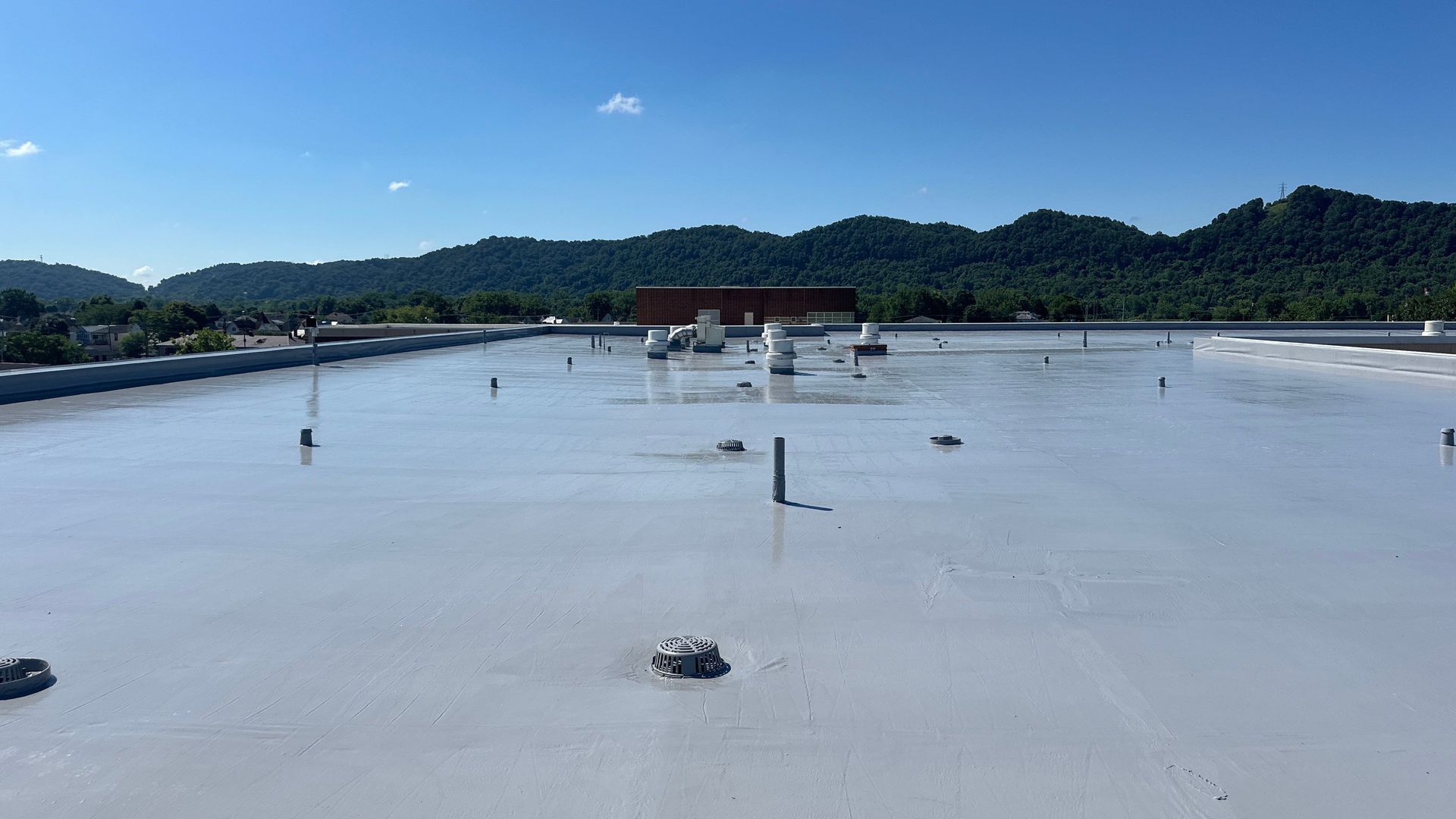
Problem #2: Not Every Roof Qualifies for a Coating System
One of the biggest misconceptions about roof coatings is that every roof can be restored.
That's simply not true.
A coating system is only as good as the roof beneath it.
Before recommending a restoration, a qualified contractor should inspect several critical factors.
The roof should have:
- Sound seams that can be repaired if necessary
- Limited moisture within the insulation
- A history of routine roof maintenance
- A structurally sound roof deck
One important guideline many contractors follow is that less than approximately 25% of the insulation should be wet.
If moisture is widespread throughout the insulation, coating over the roof typically isn't the right solution. The wet insulation should usually be removed and replaced first.
This is why infrared moisture scans or core samples are often performed before recommending a coating system.
The takeaway: Roof coatings have strict eligibility requirements. A proper inspection should determine whether your roof is actually a candidate.
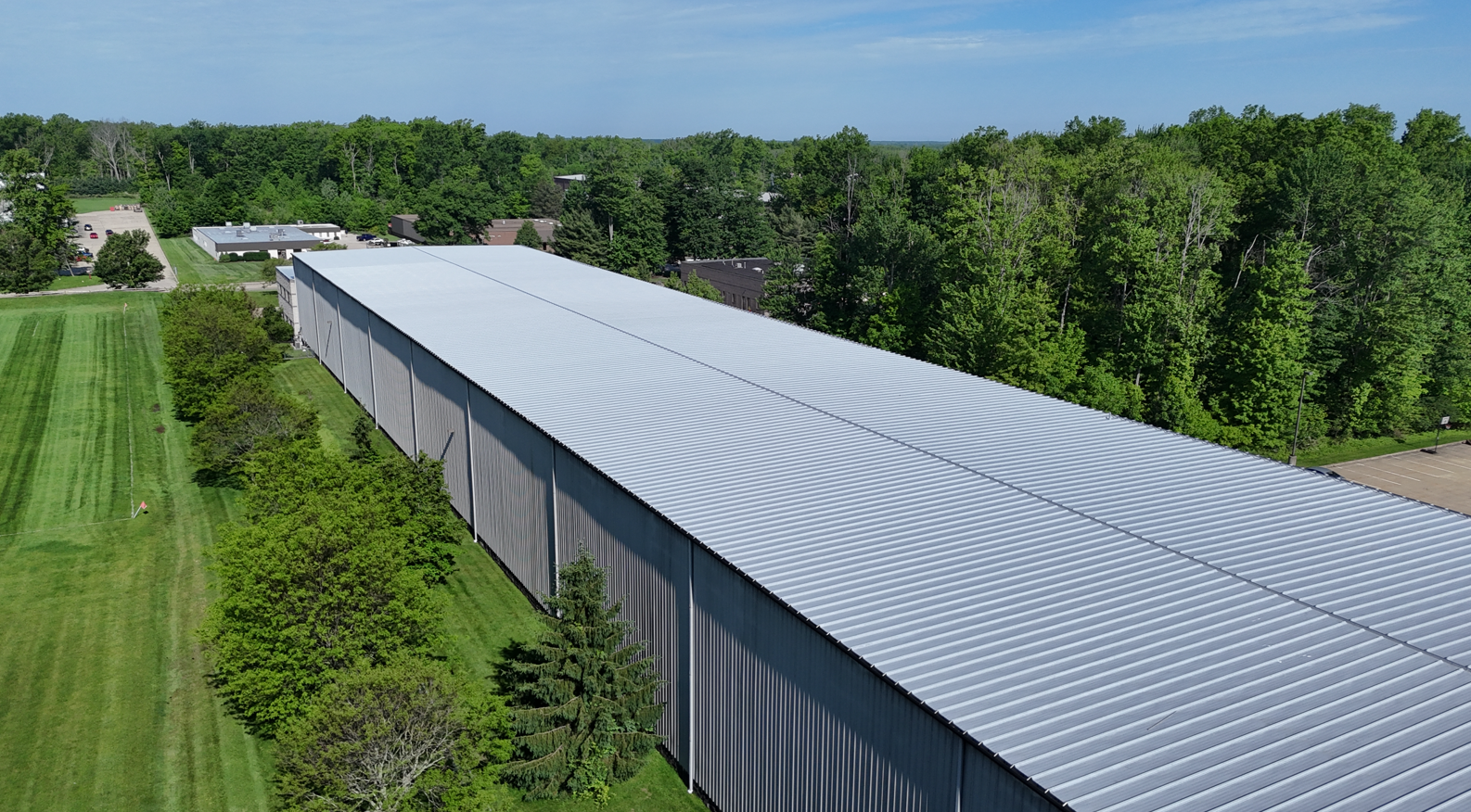
Problem #3 Roof Coatings Get Dirty—Especially White Roofs
White roof coatings are designed to reflect sunlight and reduce heat absorbed by the building.
Over time, though, that bright white surface begins collecting dirt, dust, pollen, soot, algae, and other airborne contaminants.
A roof that was bright white immediately after installation may appear dingy only a year or two later.
Does this mean the coating failed?
No.
The roof is simply dirty.
Most commercial roof coatings continue to perform well even after becoming discolored. However, excessive dirt can gradually reduce solar reflectivity, meaning the roof won't stay quite as cool as it did when it was new.
If maintaining maximum reflectivity is important, the roof can often be cleaned during routine maintenance.
The takeaway: Dirt is mostly an appearance and energy-efficiency issue—not necessarily a roofing problem.
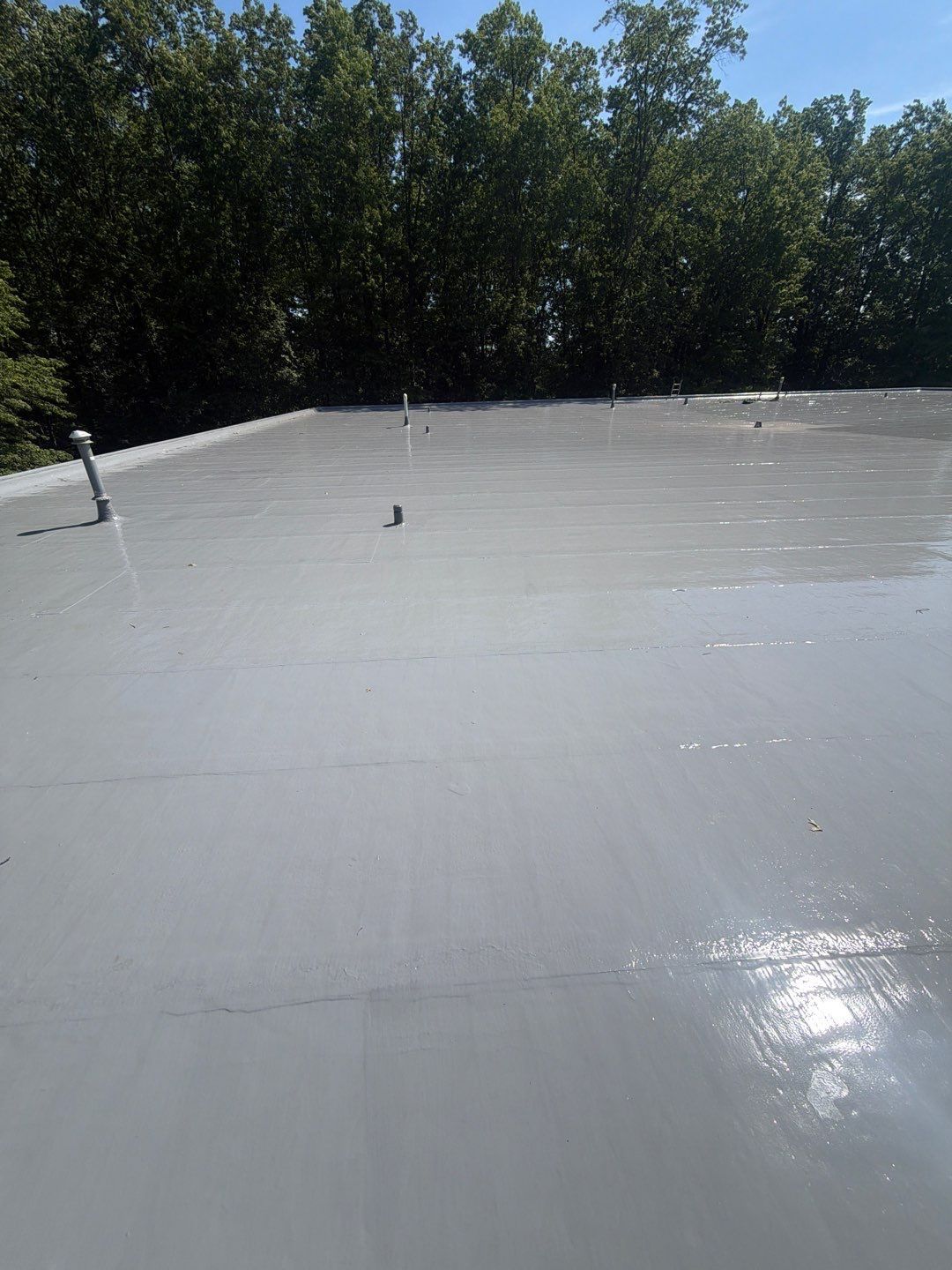
Problem #4: Silicone Roof Coatings Limit Future Roofing Options
Silicone coatings are extremely durable and highly resistant to ponding water.
They've become one of the most common restoration systems in commercial roofing.
However, they come with one important drawback.
Very few materials adhere well to cured silicone.
Once a high-solids silicone coating has cured, most roofing products—including acrylics, urethanes, adhesives, and many membranes—will not bond properly to it.
In practical terms, this means future repairs or restoration options may become more limited.
If another coating system is desired years later, it's often necessary to install additional silicone rather than switching to another coating chemistry.
While this isn't necessarily a deal breaker, it's something building owners should understand before selecting a roofing system.
The takeaway: Silicone performs extremely well—but it can limit your future restoration options because most roofing materials won't reliably stick to it.
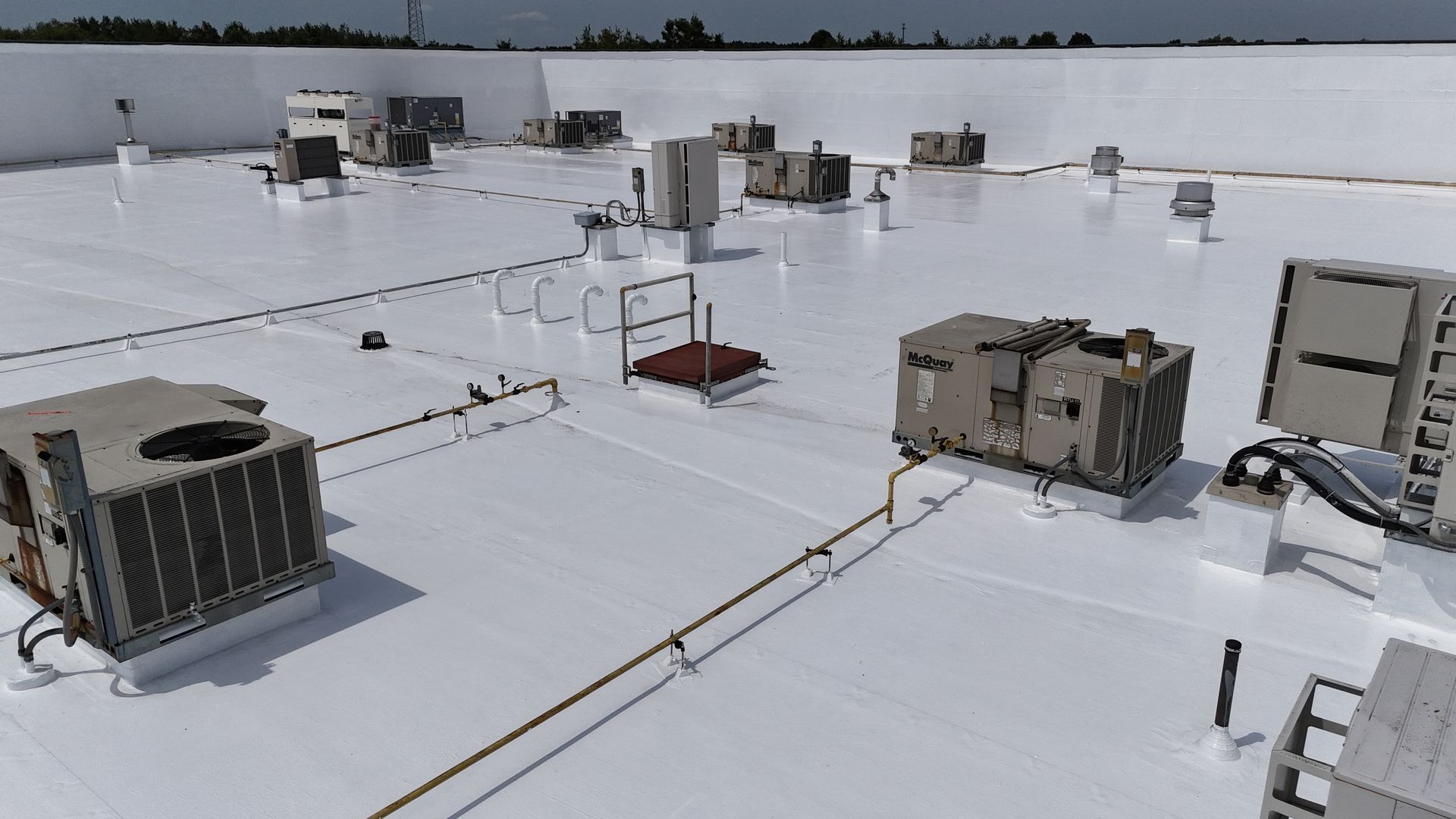
Are Roof Coating Systems Still Worth It?
Absolutely.
When installed on the right roof, a coating system can:
- Extend roof life by decades
- Avoid a costly tear-off
- Reduce landfill waste
- Minimize disruption to building operations
- Lower lifecycle roofing costs
The key is making sure your roof actually qualifies.
A trustworthy roofing contractor should be willing to tell you when a coating is not the right solution—even if it means recommending a more expensive roof replacement.
In the long run, honesty during the inspection is far less expensive than installing the wrong roofing system.
Frequently Asked Questions
What is the biggest disadvantage of a roof coating system?
The biggest disadvantage is that roof coatings cannot fix major underlying roofing problems. If a roof has widespread wet insulation, structural issues, or poor adhesion, a coating may fail prematurely.
Can every commercial roof receive a roof coating?
No. The existing roof must be in good enough condition to support a restoration. A professional inspection should determine whether the roof qualifies.
Do white roof coatings stay white?
Not perfectly white. White coatings naturally collect dirt, dust, and airborne contaminants over time. This discoloration is normal and doesn't impact performance.
Can you install another roofing system over silicone?
It's difficult. Most roofing materials do not adhere well to cured high-solids silicone, which often means future restoration work will require another silicone coating.